
National service · Silicon Valley clients
Federal Sentencing Preparation for Silicon Valley
Work directly with Joseph De Gregorio to build a clear, documented personal record before the presentence interview, sentencing, or surrender.
For founders, executives, employees and families—and the defense counsel advising them.
Speak directly with Joseph: 646-588-8182
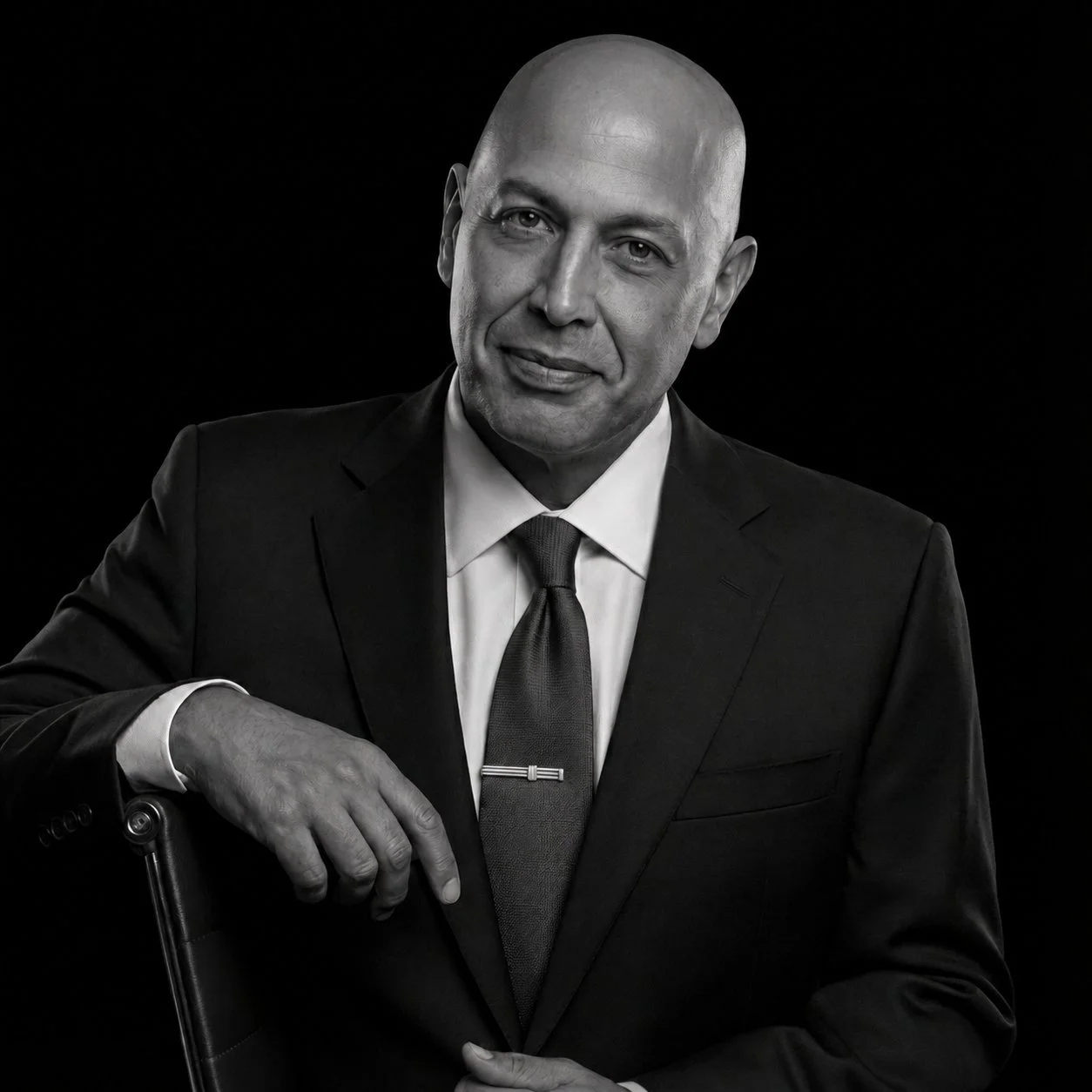
Federal Sentencing Strategist
Founder and President, Sentencing Advocacy Group
National support, delivered around your case
SAG serves clients nationwide and travels across the country for cases. Silicon Valley clients work directly with Joseph through remote preparation and travel arranged around the engagement. SAG does not maintain a California office.
The regional pathway serves people across San Jose, Palo Alto, Mountain View, Menlo Park, Cupertino, Sunnyvale and the surrounding Bay Area. Your residence or employer does not determine your federal district; counsel confirms where the case is proceeding.
When the case moves toward sentencing, the work changes
After a guilty plea or conviction, the immediate questions become more concrete: What does the record say about you? What facts can be verified? What has changed? What needs to be organized before the next interview, hearing or surrender date?
A business biography alone cannot answer those questions. SAG helps develop a personal record that connects the chronology of your life and work with accountability, the people affected and practical next steps. Families can help gather records and coordinate logistics within the agreed scope.
“Federal sentencing outcomes are shaped by how a person is understood by probation, the court, and the institutions that determine how a sentence is served.”
This philosophy guides preparation. It is not a prediction of a sentence or an institutional decision.
Prepare before the presentence interview
The probation officer conducts the presentence investigation and prepares the presentence report, often called the PSR or PSI report. SAG helps you prepare the factual material and questions your attorney needs to review. Starting early leaves time to locate records, reconcile dates and identify information that remains uncertain.
The aim is accurate communication in your own voice. A preparation session should not turn a complex history into memorized answers. Counsel advises on disputed allegations, legal questions and what may be submitted to probation.
Explore national PSR and presentence interview preparation. For district context, read the Northern District of California sentencing guide. The U.S. Courts explanation of presentence investigations describes probation’s role.
Turn personal history into a reviewable record
History and accountability
A dated personal, family, education and employment chronology; an account of your own decisions; and questions about inconsistencies for counsel. Confirmed facts, recollection and unresolved matters remain distinct.
Restitution and corrective work
Records of payments actually made, documented efforts, financial information requested by counsel, and completed compliance or corrective actions. Proposed actions remain clearly labeled as plans.
Treatment and character support
Available treatment records and attendance information, obtained through an agreed process, alongside specific firsthand observations from appropriate supporters. Clinical opinions come from qualified clinicians.
Practical plans
Realistic arrangements for family responsibilities, employment, housing and treatment. If surrender is approaching, the scope can include a practical checklist and a family communication plan.
Each item should have a source, an owner and a review status. Counsel receives an organized packet and open questions, rather than a collection of unexplained attachments.
Explain a technology career without flattening the facts
Titles can conceal important differences in responsibility. A founder, engineer, finance lead and sales employee may have different access, decisions and knowledge at different times. SAG helps organize individual chronology for counsel without assuming that every person at a company had the same role.
Preparation may include employment transitions, reporting lines, product milestones, investor communications and records of corrective work. A communication’s author, reviewer, recipient and date can matter to an accurate chronology. Technical interpretation and legal significance remain questions for counsel and the appropriate experts.
Start with sentencing preparation for technology founders and executives, or learn how to document individual roles in technology and digital-asset matters.
One preparation process, coordinated with counsel
The engagement begins by identifying counsel’s point of contact, the next confirmed deadline and the work already covered. Joseph and counsel agree on priorities, review intervals, communication authority and the handoff format.
Counsel receives source-indexed materials, progress updates and unresolved questions. Sensitive records are exchanged only through the agreed process. Family participation and communications with third parties are defined at the outset; an initial website inquiry does not establish privileged communications.
Review deliverables and engagement options for defense counsel →
Defined stages and deliverables
1. Assess the next decision
Review case stage, timing, available records and counsel involvement. Output: a proposed scope, priorities and responsibilities, with fees and availability discussed privately.
2. Build and verify
Develop chronology, gather sources, track missing documents and organize documented change. Output: a source index, factual timeline and open-issues register.
3. Prepare and hand off
Prepare for the interview or statement within counsel’s direction. Output: review-ready materials, supporting-document index and a concise status summary for counsel.
4. Plan continuity
Where retained, carry the work into surrender and release planning. Output: a practical plan, assigned follow-up and updates as circumstances change.
The written engagement specifies which components are included. A short-notice matter begins with a realistic priority assessment, not an assumed promise to complete every stage.
Joseph’s relevant authored work
Connect the published analysis to your preparation
These articles address the record, individual responsibility, treatment, restitution and corrective work. Each link leads to the original publisher; the accompanying SAG page explains the publication’s preparation context. Publisher access may require a subscription. Article titles are reproduced as published and do not promise an outcome.
Personal record, restitution and corrective work
Authored analysis · December 8, 2025
How to Get a Judge to Reduce Your Client’s White-Collar Sentence
What personal history and supporting evidence should be ready before the presentence interview?
Read the SAG publication context →Authored analysis · April 20, 2026
Prepping for Fraud Payback Hearings Helps Clients Save Millions
Which payment, recovery and financial records should counsel review for restitution?
Read the SAG publication context →Authored analysis · June 4, 2026
DOJ Enforcement Vacuum Opens a Strategy Window for Defendants
How can available time be used to document genuine corrective work? This is dated policy commentary, not a statement of current enforcement priorities.
Read the SAG publication context →Individual roles, treatment and sentencing presentation
Authored analysis · January 29, 2026 · with Richard Levitt
Keys To Effective Mental Health Mitigation In Sentencing
What qualified clinical evidence and treatment records can support an accurate account?
Read the SAG publication context →Authored analysis · May 14, 2026
Sentencing Tips For Defending Crypto Conspiracy Cases
How should individual participation, knowledge and chronology be organized in a digital-asset matter?
Read the SAG publication context →Authored analysis · July 14, 2026
A 3-Part Blueprint For Sentencing Variance Arguments
What documented accountability, conduct and practical plans can counsel evaluate for a sentencing presentation?
Read the SAG publication context →PSR preparation and documented change
Authored analysis · July 28, 2026
Judicial Sentencing Discretion After Booker: What the Pre-Sentence Report Actually Determines
Which factual gaps should be identified before the PSR becomes part of the institutional record?
Read the SAG publication context →Authored analysis · Summer 2026
The Mitigation Revolution: A Practical Guide to Engineering Drastic Federal Sentence Reductions
How can preparation become a sustained, documented process instead of a last-minute collection of favorable facts?
Read the SAG publication context →For matters involving tax issues
Authored analysis · March 11, 2026
Tax Fraud Sentencing Has a Gap Defense Attorneys Are Missing
In a tax matter, which records help counsel distinguish guideline tax loss from restitution questions?
Read the SAG publication context →Authored analysis · July 27, 2026
Changes to IRS Disclosure Program Should Spark Compliance Checks
Which compliance records and corrective measures need review in a tax-related case? Counsel evaluates current program rules.
Read the SAG publication context →Authored analysis is distinct from speaking, editorial service, media coverage and personal recommendations. Publication does not imply publisher endorsement of SAG.
Choose the next preparation question
Before the presentence interview
Business history and individual responsibility
Accountability, treatment and financial records
District context and the next stage
Evaluate the work
Published analysis and speaking
Joseph De Gregorio is a Federal Sentencing Strategist and the Founder and President of Sentencing Advocacy Group. His work draws on his experience as a former financial executive and federal defendant, and on direct preparation work with clients and counsel. Read Joseph’s professional background.
How should a personal record support counsel’s presentation?
Authored analysis · Bloomberg Law · December 8, 2025
How to Get a Judge to Reduce Your Client’s White-Collar Sentence
Use this analysis to frame a practical discussion about personal history, supporting evidence and preparation before sentencing. SAG’s Bloomberg Law publication record →
What does preparation look like from the client’s side?
Speaking · American Bar Association JustPod
From Prison to Prison Consultant: Discussion with Joseph De Gregorio
Joseph discusses his personal experience and consulting work. This is a podcast appearance, not an authored legal opinion. SAG’s speaking and media record →
Publication and participation do not imply endorsement of SAG. Authored work and speaking appearances are identified separately from editorial service, media coverage and personal recommendations in the full publication and media record.
Professional scope
SAG provides preparation, factual record development and practical planning. SAG is not a law firm; counsel directs legal advice, objections and filings. Courts and correctional authorities make sentencing, placement and release decisions. No outcome is guaranteed.
Questions before you begin
Do you have a Silicon Valley office?
No. SAG is a national company serving Bay Area clients remotely and through travel arranged for cases. There is no California office.
Can I start before my presentence interview is scheduled?
Yes. An initial review can identify available records, counsel’s priorities and preparation gaps. The scope should fit the actual stage and deadlines.
What if my PSR interview has already happened?
Start with your current stage and next deadline. Joseph can discuss organizing updates and factual questions for counsel. Your attorney decides how corrections or objections should be handled.
Can my family contact you?
Yes. A family member can request an initial conversation about preparation and logistics. Participation and information sharing are agreed with the client and counsel as appropriate.
Can counsel engage SAG for only one stage?
Yes. Discuss a defined preparation task, a sentencing-stage handoff or post-sentencing support. Deliverables and responsibilities are agreed before work starts.
What should I send in the first inquiry?
Provide your own contact details and current stage. Do not send a case file, detailed allegations, medical records or another person’s private information through the initial form. Agree on the transfer process first.
How are fees and travel handled?
Scope, availability, fees and any travel arrangements are discussed privately and documented in the engagement.
Start with the next decision in your case
Individuals and families: request a private case review to discuss the current stage and preparation needs.
Defense counsel: use the attorney pathway to discuss deliverables, timing and coordination for your client.
Speak directly with Joseph: 646-588-8182